
Ultimate Soundproofing Products for Creating Quiet Environments
Explore top-performing soundproofing tools and materials to help you achieve a serene and noise-free atmosphere.
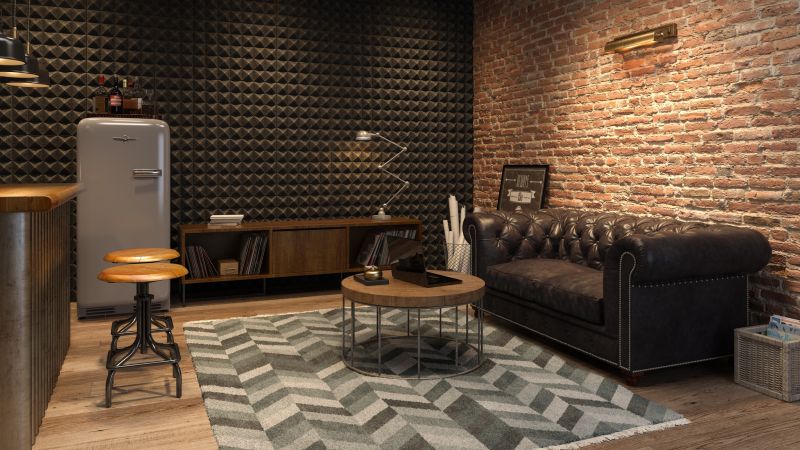 Soundproofing products are designed to reduce noise transmission between spaces, creating quieter environments in homes, offices, studios, and other areas. These solutions vary widely in type, material, and application, allowing for tailored approaches depending on specific needs and space constraints. From wall and ceiling treatments to floor coverings and door seals, a comprehensive soundproofing setup often involves multiple product types working in concert. Selecting the right combination can enhance comfort, privacy, and concentration, especially in noisy settings.
Top Overall Option
Acoustic Foam Panels
Acoustic foam panels are versatile and widely used for sound absorption in various settings. They help reduce echo and reverberation by absorbing sound waves, making them suitable for studios, offices, and home theaters. Available in different shapes, sizes, and thicknesses, they can be arranged creatively to enhance both aesthetics and acoustic performance. Easy to install with adhesive backing or mounting hardware, acoustic foam panels are a popular choice for improving sound quality and reducing noise distractions.
Types of Products For Soundproofings
Acoustic Foam Panels
Absorptive panels designed to minimize echo and reverberation in indoor spaces.
Mass Loaded Vinyl
Heavy, flexible material used to add mass and block sound transmission through walls and floors.
Soundproof Curtains
Thick, dense curtains that help reduce noise from windows and doorways.
Door Seals and Sweeps
Sealing strips and sweeps designed to block gaps around doors for improved sound isolation.
Acoustic Wall Panels
Decorative panels that absorb sound and improve room acoustics.
Underlayment Mats
Padding materials placed under flooring to reduce impact noise and airborne sound transfer.
Soundproof Paint
Specialized paint formulations that add mass to walls to help block sound transmission.
Floor Underlayments
Materials used beneath flooring to dampen sound and vibrations.
Decoupling Mounts
Mounting hardware that isolates sound sources from structural elements.
Acoustic Door Coverings
Padding or fabric coverings that enhance door soundproofing performance.
Vibration Damping Pads
Pads placed under equipment or furniture to reduce vibrational noise.
Ceiling Tiles
Acoustic tiles designed to absorb sound and improve ceiling acoustics.
Soundproofing Sealant
Specialized sealants used to fill gaps and cracks in walls and around fixtures.
Resilient Channels
Metal channels that decouple drywall from framing to reduce sound transmission.
Bass Traps
Specialized acoustic panels that target low-frequency sound absorption.
Soundproof Mats
Flexible mats that can be placed under appliances or in floors to dampen noise.
Acoustic Diffusers
Devices that scatter sound waves to improve room acoustics without blocking sound.
Popular Choices
Commonly used for sound absorption and reducing echo in various environments.
Popular for adding mass to walls and floors to block sound transmission.
Widely chosen for temporary or portable soundproofing solutions around windows.
Frequently used to seal gaps around doors for better sound isolation.
Decorative panels that also serve to absorb sound in rooms like studios and offices.
Popular under flooring to reduce impact noise and airborne sound transfer.
Applied to walls to add an extra layer of sound blocking capability.
Commonly used under laminate and hardwood floors for noise reduction.
Selected for mounting equipment or fixtures to minimize sound transmission.
Popular for reducing noise from appliances and machinery.
Frequently installed in offices and studios to improve acoustic quality.
Used to fill gaps and cracks in walls and around fixtures for better soundproofing.
Commonly added in corners of rooms to manage low-frequency sounds.
Effective soundproofing begins with understanding the nature of the noise and the surfaces involved. Soft, porous materials tend to absorb sound, reducing echo and reverberation, while dense, mass-loaded options block sound transmission. Installation considerations include ease of application, compatibility with existing structures, and long-term durability. Proper sealing around doors, windows, and vents is also crucial to prevent sound leaks. Ultimately, choosing the right products depends on the specific acoustic challenges and the desired level of sound isolation.
In addition to traditional solutions like acoustic panels and foam, innovative products such as soundproof curtains, mats, and specialized door seals have gained popularity. These options can be easily integrated into existing spaces without extensive renovations. For those seeking a more comprehensive approach, combining multiple products can significantly improve soundproofing performance. Regardless of the chosen method, proper installation and material selection are key to achieving noticeable noise reduction and creating a more peaceful environment.
Key Buying Considerations
- Identify the primary source and type of noise to select appropriate products.
- Determine whether the goal is to block sound transmission or absorb echoes.
- Consider the space where soundproofing is needed, including walls, floors, or ceilings.
- Evaluate the thickness and density of materials for effective sound blocking.
- Check compatibility with existing structures to ensure proper installation.
- Assess the ease of installation, especially for DIY projects.
- Think about aesthetics and whether the products can blend with your decor.
- Review the durability and long-term performance of materials.
- Consider whether temporary solutions like curtains suffice or permanent modifications are desired.
- Account for potential impact on ventilation and airflow.
- Estimate the overall budget and cost-effectiveness of combined solutions.
- Research product reviews and user feedback for real-world performance insights.
- Evaluate the need for professional installation for complex setups.
- Be aware of any maintenance requirements for the chosen products.
- Ensure products meet safety standards and are suitable for your environment.
This page contains affiliate links. We may earn a commission if you purchase through these links, at no additional cost to you.